


Skip to content

Video: Brushing and flossing with braces

Simple brushing and flossing tips for teens with braces, from the Canberra orthodontists at Orthoclinic. Keep your teeth and gums healthy during treatment.

braces-highlight

How to Clean Your Teeth With Braces: A Guide for Canberra Teens

How to Clean Your Teeth With Braces: A Guide for Canberra Teens

Braces are worth the effort, but they also make your teeth harder to clean. Food and plaque get stuck around brackets and wires, and if you miss a spot, you can end up with white marks or cavities by the time your braces come off. At Orthoclinic in Manuka, we see plenty of teens who keep their teeth in great shape through treatment. The routine below is what they do.
Why braces make cleaning tricky

Plaque can build up around brackets

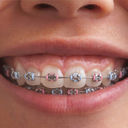
Every bracket has small ledges and corners where food hides. Plaque that builds up around brackets can leave marks on your enamel that stay even after your braces are removed. Gums can also get red, puffy, or sore if plaque is left along the gumline.

The good news is that a few extra minutes a day stops most of these problems.

Brushing with braces

Brush for two minutes, twice a day, once after breakfast and once before bed. This video guide shows you how: 1. Use a soft or medium toothbrush and fluoride toothpaste. 2. Angle the brush at about 45 degrees to the gumline so the bristles get under the wire. 3. Brush each tooth in short, small circles, paying attention to the top and bottom of every bracket. 4. Brush the chewing surfaces and the inside of your teeth. 5. Finish by brushing your tongue to clear bacteria. An electric toothbrush with a timer can make this easier, especially if you find it hard to keep track of time.

brushing with braces

Cleaning between your braces

Regular floss can catch under the wire, so you'll need a different tool. The three most useful options are: 1. Floss threaders: Feed regular floss under the wire, then clean between the teeth. 2. Interdental brushes: Small brushes that clean between brackets and along the gumline. Pick the size that fits snugly without forcing it. 3. Water flosser: A low-pressure jet that rinses away food around brackets. It's a useful extra, but it doesn't replace brushing and interdental cleaning. If you're not sure how to use any of these, ask us at your next appointment. We're happy to show you.

floss and piksters for cleaning braces

Foods and habits to watch

Sticky, sugary, and hard foods are the biggest issue with braces. Toffee, caramel, gummy lollies, hard lollies, and chewy bread can loosen brackets or trap sugar against your teeth. Sugary drinks and snacks between meals also raise your risk of cavities.

Avoid chewing pens, ice, or your fingernails. Each of these can bend wires or pop brackets off.

More care advice

We have many resources to answer your questions. Haven’t found what you are after? Request an appointment today

Care advice

Eating with braces

Some foods can snap brackets or bend wires. Get to know what to avoid, and what’s still fine.

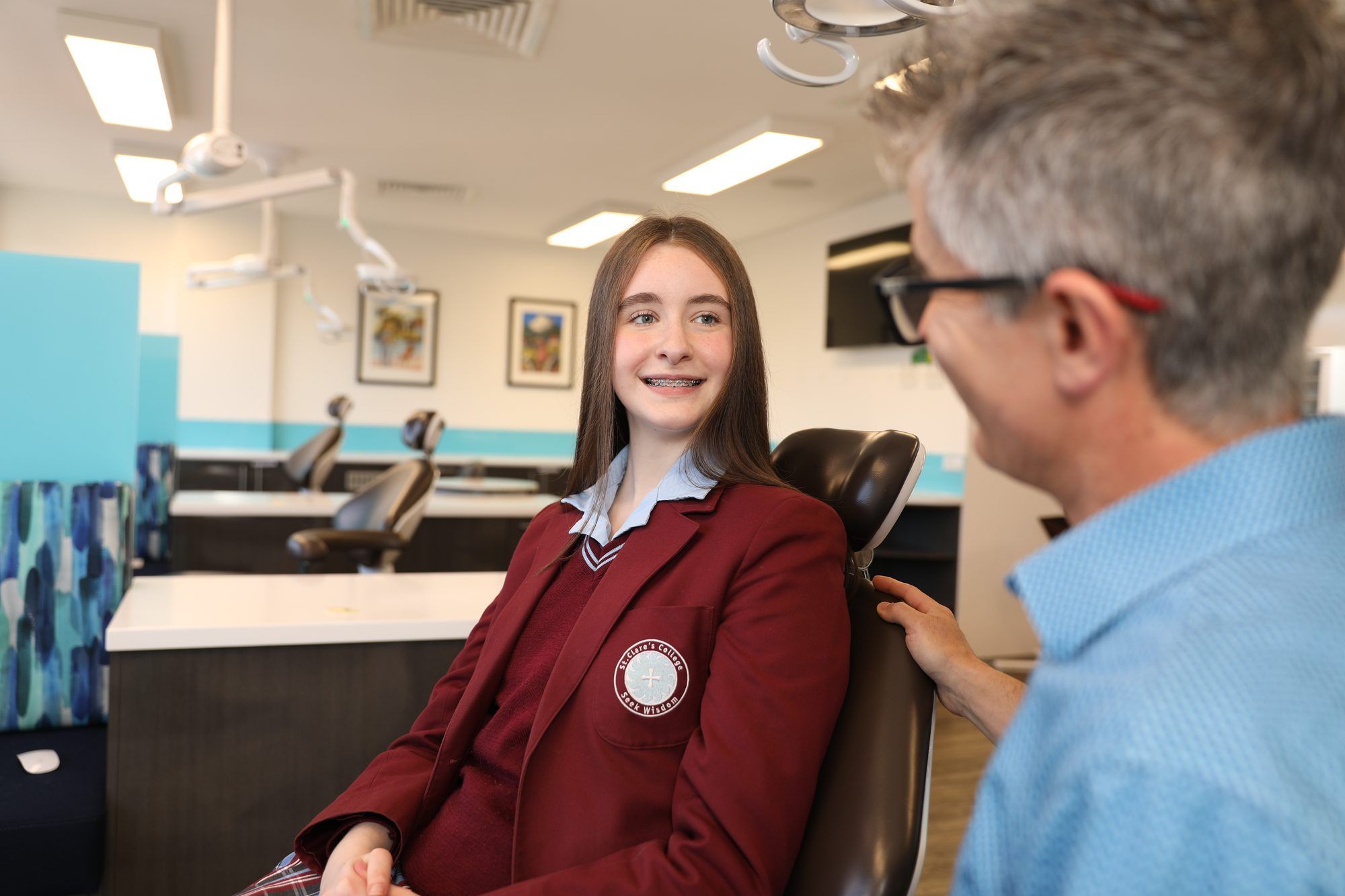
Orthodontist reassuring teenage girl
Care advice

How to relieve pain from braces

Some tenderness after getting fitted is completely normal — here’s what helps.

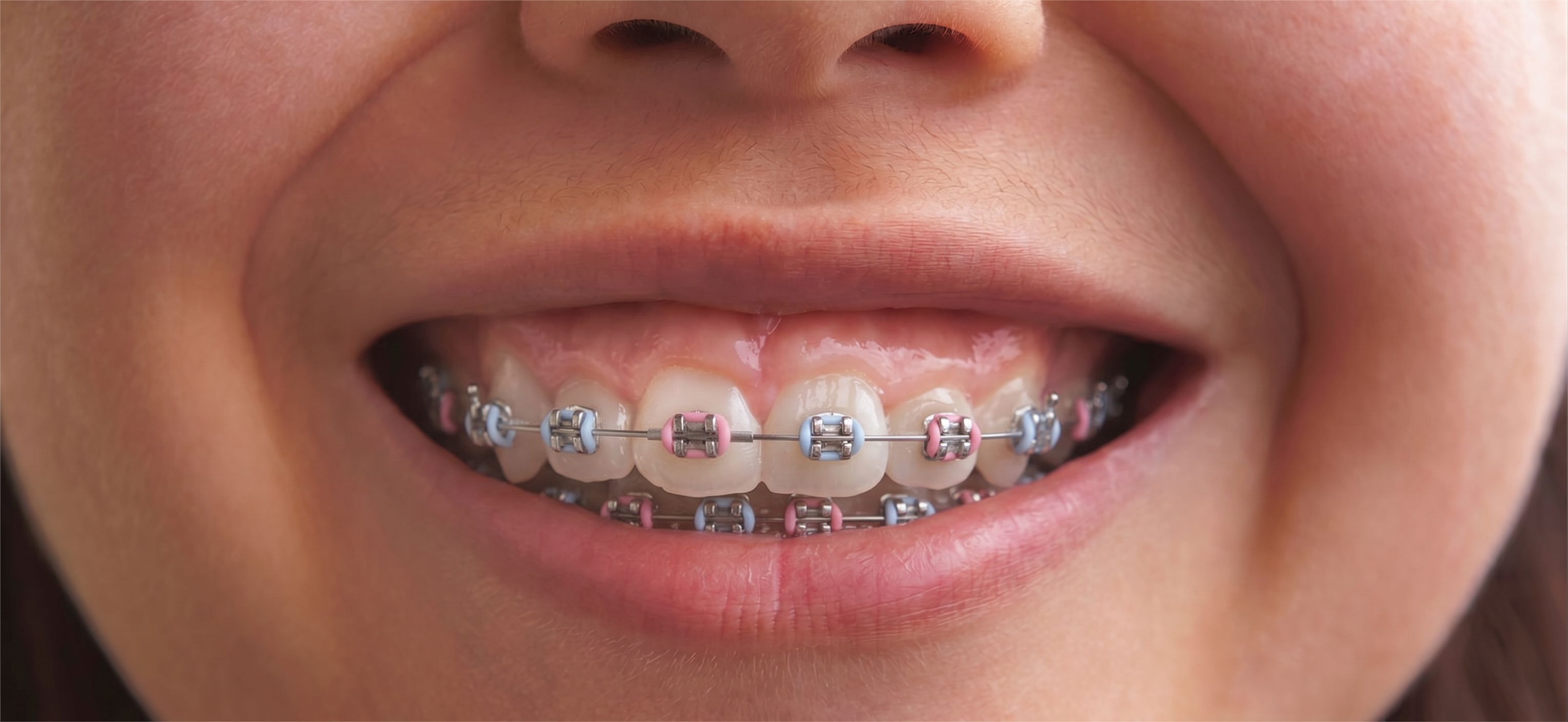
teen-smiling-braces
Care advice

Video: Brushing and flossing with braces

Simple brushing and flossing tips for teens with braces, from the Canberra orthodontists at Orthoclinic. Keep your teeth and gums healthy during treatment.

braces-highlight
Care advice

Video: Managing problems with braces - long wires

Here's how to deal with a long or poking wire at home, using a pencil eraser, tweezers, wax or clippers, until you can see us.

treating long wires on braces

Ready to learn more?

Book a consultation with a specialist orthodontist to talk through your options and the right treatment for you.

FAQs

Have a question about video: brushing and flossing with braces?

  • A soft toothbrush works well for most people. An electric toothbrush with a timer is also a good option. Ask your orthodontist if you're unsure which one suits you. Orthoclinic will provide you with an orthodontic toothbrush when treatment starts.

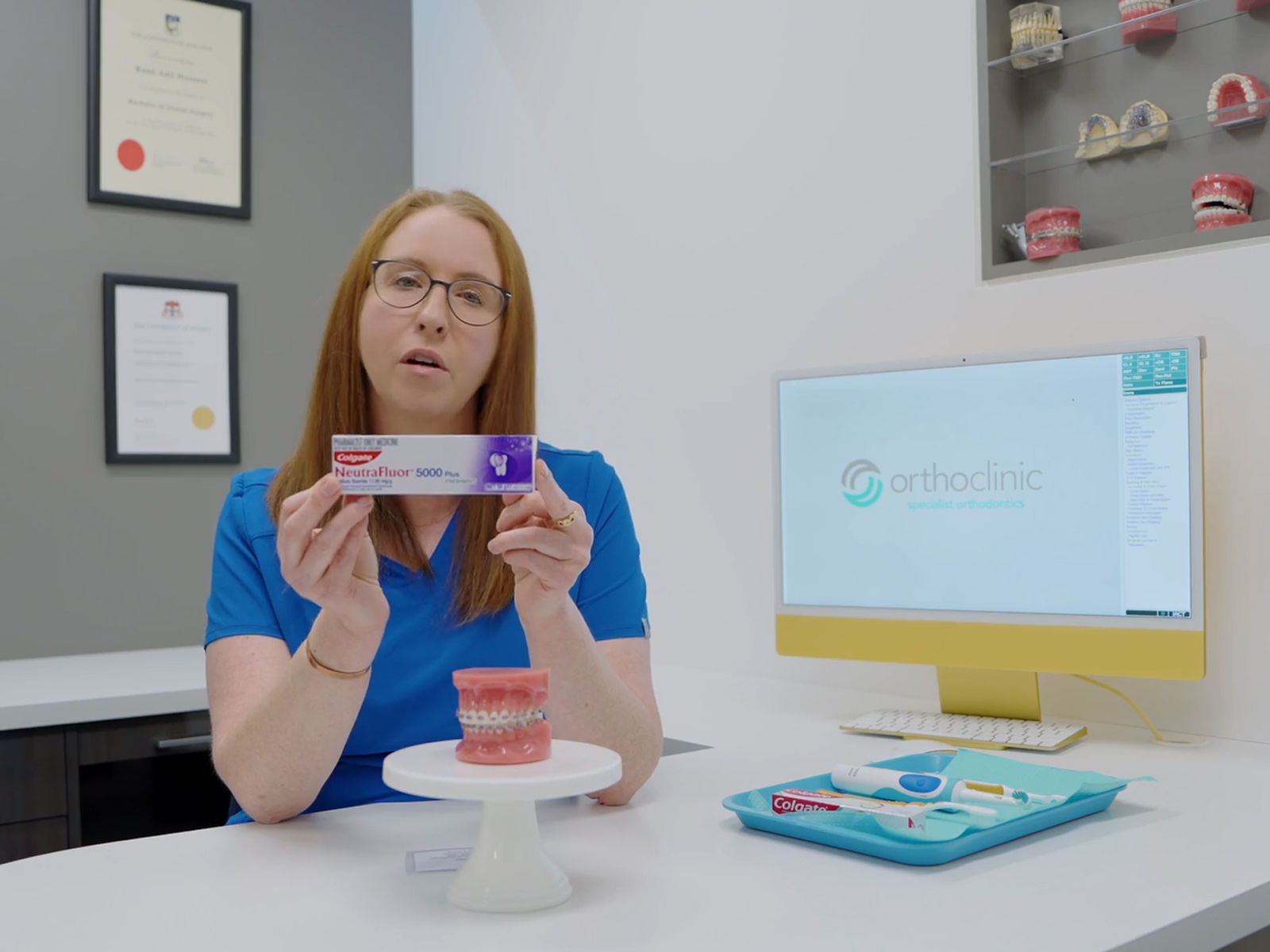
  • Neutrafluor 5000 is a high-fluoride toothpaste, containing 5000 ppm fluoride compared with about 1450 ppm in standard toothpastes. It's designed to strengthen enamel and help prevent cavities, especially for people at higher risk, such as teens with braces.

    This can be purchased at Orthoclinic reception or the chemist.

  • Keep up your regular dental checkups and cleans, usually every six months, unless your dentist advises otherwise. Keep your orthodontic appointments as booked.

  • Some bleeding is common when you first get braces, because plaque builds up around the brackets and irritates your gums. It often settles within a week or two once you're cleaning properly. Brush gently along the gumline, use interdental brushes or floss threaders every day, and don't skip brushing where it hurts. The bleeding usually gets worse at first if you avoid those areas, so keep cleaning them.